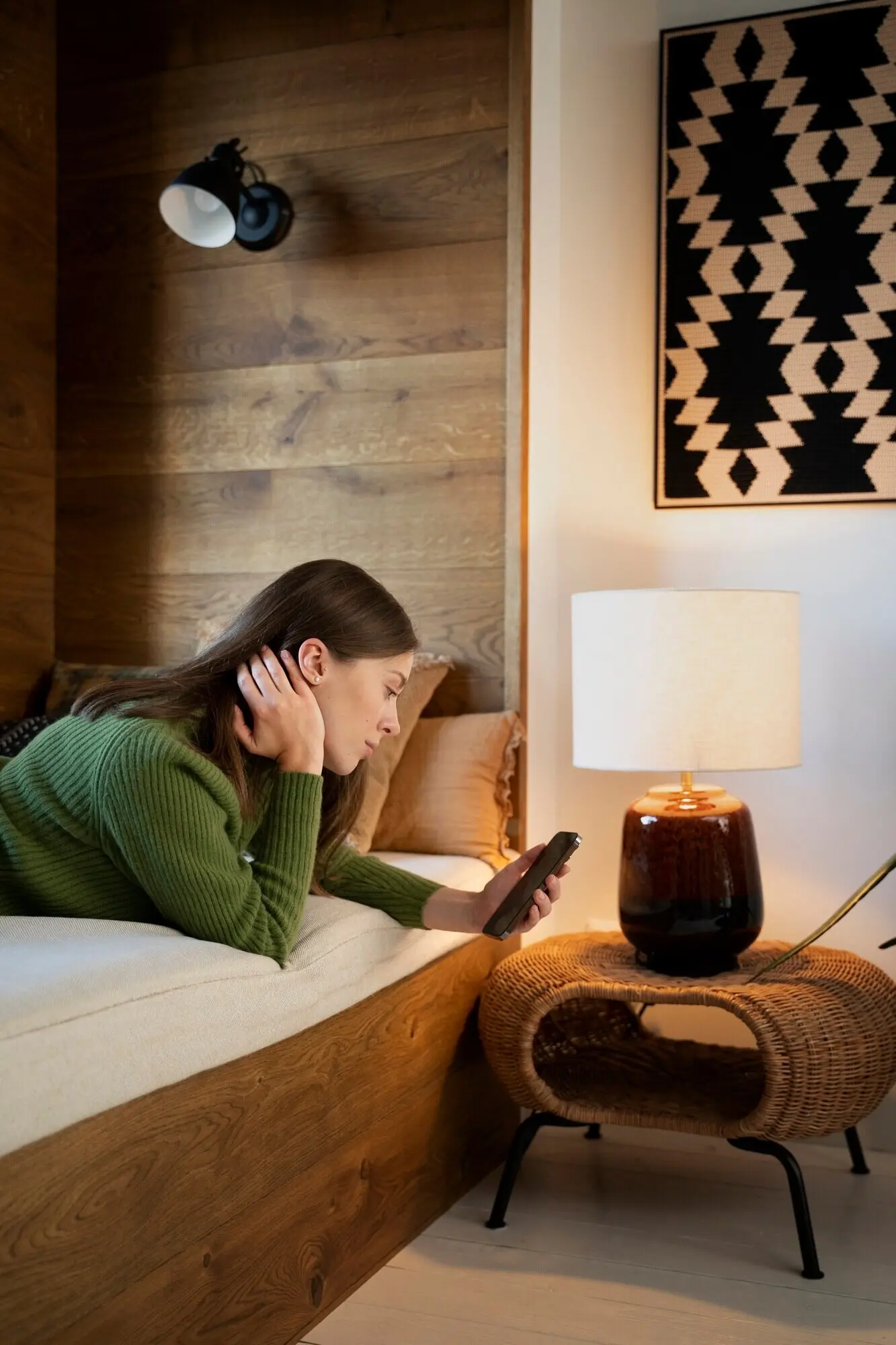
Exhale the Day, Welcome Your Evening


Tonight, we explore After-Work Reset Rituals that gently untangle stress, restore presence, and create a nourishing bridge between responsibilities and real life. Whether you commute or log off from a corner desk, you’ll find simple, evidence-informed practices, personal stories, and playful prompts that help you feel human again. Try one small idea, share your experience with our community, and notice how evening energy changes when intention replaces autopilot.

Why Your Brain Needs a Gentle Switch

Your nervous system isn’t a light switch; it’s a dimmer. After hours of performance, deadlines, and digital alerts, your brain craves cues that say, you are safe now. Shifting from sympathetic drive to parasympathetic calm takes deliberate signals. Imagine stepping off a fast treadmill and walking slowly before stopping completely. That pause protects your balance. The same applies here: small, consistent cues create steadier evenings and kinder mornings. Share your favorite cue and inspire someone’s first calm minute today.

Micro-Transitions You Can Actually Keep

Sustainable resets don’t require hours; they rely on meaningful, repeatable micro-actions. Think of them as gentle punctuation marks in your evening story. A pause at the doorway, a change of clothes, one song played on purpose—these tiny choices train your brain to exit work mode. Over time, they become as automatic as locking the door. Experiment with one this week, track how quickly your mind unclenches, and tell us which cue becomes your trusty off-switch.

01

Threshold Pause at the Door

Before crossing into your living space, stand still for three breaths and quietly name one emotion you’re carrying and one intention for the evening. This creates psychological containment while welcoming a fresh atmosphere. If you live with others, teach them the ritual and respect each person’s pause. Families report fewer snappy exchanges when everyone honors this moment. Try it tonight and share if the room felt different after those tiny, deliberate seconds.

02

Clothes as a Switch

Changing clothes signals your nervous system that a role has ended. Keep comfortable, clean layers near your entry point, plus a basket for workwear. The tactile shift—soft fabric, warm socks—creates immediate relief. Add a scent cue, like fresh linen spray, to amplify association. If motivation wobbles, choose an attractive lounge set you genuinely enjoy. Note how conversations and posture shift afterward, and drop a comment about the piece that most transforms your mood.

03

Soundtrack for Release

Choose a three-song sequence that always plays when work ends. Keep it consistent for two weeks so your brain binds those notes with relaxation. Include one track that invites slow breathing, one that encourages movement, and one that feels purely comforting. Avoid lyrics that trigger work thoughts. Notice how your pace changes by the final chorus, and tell us your playlist so others can borrow tunes when their own motivation feels fragile.

Move to Unwind, Not to Win

Evening movement should calm the nervous system rather than challenge it into another competition. Gentle options like shaking, unhurried walking, or floor-based mobility help clear stress chemistry while restoring presence. You’re not chasing metrics; you’re letting your body digest the day. Five to fifteen minutes is plenty. If something feels punishing, it’s the wrong choice tonight. Share the most soothing movement you discover and how your sleep responds after a week of consistent practice.

Five-Minute Shake-Off

Stand with knees soft, jaw relaxed, and shake from wrists to shoulders, then hips to heels. Animals do this after stress to reset their systems; humans benefit too. Keep it playful and odd, adding a loose tongue trill if that helps. Finish by stillness and a deep exhale. Many people report mental clarity and oddly happy fatigue afterward. Try it behind closed doors, then tell us whether it felt freeing, silly, or surprisingly profound.

The Unhurried Walk

Walk without tracking steps, speed, or distance. Leave your phone on silent and let your gaze wander to distant objects, signaling safety to your brain. If weather cooperates, notice aromas, texture of air, and patterns in the sky. If indoors, pace slowly with gentle shoulder rolls. Return when your breath feels deeper and jaw softer. Log your before-and-after mood in a note, then share a line describing the most calming detail you noticed.

Floor-Based Reset Flow

Create a short sequence: child’s pose, cat-cow, hip circles, spinal twist, and a long, weighted exhale in a supported recline. Use cushions, a folded blanket, or a rolled towel under knees for comfort. Treat each shape as a message of kindness to overworked tissues. No strain, only invitation. End with palms on belly, feeling warmth spread. Notice any temperature shift, tingling, or sighs. Tell us which pose felt like home after a demanding day.

Soothe Your Senses, Reset Your State

Your senses are levers. Adjust light, scent, and touch to reshape mood quickly and reliably. Replace harsh overheads with lamps, choose one calming aroma, and add a comforting textile near your favorite chair. These cues bypass overthinking and speak directly to the body. Keep it consistent enough to form association but flexible when seasons change. Experiment with one lever tonight, then report which sensory tweak offered the fastest relief and why it resonated so strongly.
Cool light keeps your brain on alert. Swap bulbs to warmer tones, dim gradually, and prioritize side lighting over ceiling glare. Candles or salt lamps can create a gentle glow, but safety first. Notice how faces look kinder in warm light; conversations often soften too. If you journal, place your notebook where the lighting invites stillness. Share a photo of your coziest corner and tell us how that glow changes your evening rhythm.
Choose one scent that means evening to you—lavender, cedar, bergamot, or even fresh orange zest. Use a diffuser, roll-on, or a simple peel twist in hot water. Inhale slowly, pairing aroma with longer exhales. Over time, that scent becomes a shorthand for safety. Keep it special by reserving it for this window only. Comment with your signature blend and any memories it awakens, because nostalgia can be a powerful downshift companion.
Comfort can be engineered. Keep a weighted throw within reach, warm a mug before tea, or run a brief warm shower focusing water on tight shoulders. If overheated, try a cool compress on the forehead. These tactile signals speak faster than pep talks. Pair them with a calming phrase like, I’m allowed to rest now. After a week, report which texture or temperature moved your mood the fastest, and why you think it worked.

Clear the Mind Without Rehashing the Day

Reflection should release, not re-stress. Short, structured prompts make it easier to close mental tabs and reclaim presence. Skip detailed autopsies of workplace drama; your body already paid that bill. Instead, capture essentials, park worries, and redirect attention to what nourishes you next. These practices take minutes and protect hours of evening peace. Try one tonight, then tell us which prompt felt effortless and whether it improved conversation quality with people you care about.

The Two-List Decompression

Write two lists: Done and Done-For-Now. The first honors completed wins, however small. The second captures tasks safely paused until tomorrow. Reading both out loud signals closure to your brain. Store the page away—out of sight, out of mind. If a new thought intrudes, add it without judgment. Many readers report falling asleep faster after adopting this habit. Share a photo of your lists’ headings, or describe one tiny win you’re celebrating tonight.

The Worry Parking Lot

Give each persistent worry its own line on a dedicated card. Beside it, write the earliest time you’ll revisit it and one next step. Place the cards in a visible, respectful container. This externalizes loops and frees your attention. Promise yourself you’ll show up to that appointment tomorrow. Most worries calm when given a calendar, not a spotlight. Tell us if your mind honored the boundary and how your evening mood shifted afterward.

Gratitude That Feels Real

Skip generic lists and look for oddly specific, sensory details: the citrusy snap of soap, a neighbor’s laugh through the hallway, the way steam curled from your cup. Specificity makes gratitude believable to your brain. Three lines, no pressure. If you live with someone, trade lists aloud and enjoy the miniature stories. Over time, this practice rewires attention toward nourishment. Share one hyper-specific gratitude below and notice how others’ details amplify your own.

Tame the Tech, Protect the Evening

Airplane Mode Arrival

Before you step inside, switch your phone to airplane mode for the first thirty minutes at home. If needed, whitelist emergency contacts. This creates a pocket of uninterrupted decompression where presence recruits itself. Pair with your doorway pause or a cup of tea. Even skeptics notice a quieter mind. Try three evenings in a row and share whether resistance faded, and what you enjoyed doing with that reclaimed sliver of attention.

The Single Screen Rule

Before you step inside, switch your phone to airplane mode for the first thirty minutes at home. If needed, whitelist emergency contacts. This creates a pocket of uninterrupted decompression where presence recruits itself. Pair with your doorway pause or a cup of tea. Even skeptics notice a quieter mind. Try three evenings in a row and share whether resistance faded, and what you enjoyed doing with that reclaimed sliver of attention.

Inbox Sunset Ritual

Before you step inside, switch your phone to airplane mode for the first thirty minutes at home. If needed, whitelist emergency contacts. This creates a pocket of uninterrupted decompression where presence recruits itself. Pair with your doorway pause or a cup of tea. Even skeptics notice a quieter mind. Try three evenings in a row and share whether resistance faded, and what you enjoyed doing with that reclaimed sliver of attention.

Nourish Steadily, Sleep Deeply

Food and hydration can either soothe you toward rest or spike you into another roller coaster. Aim for steady energy: protein, fiber, color, and warmth if that comforts you. Keep decisions simple by preparing a few repeatable combinations. Add a small mineral-rich beverage and dim the kitchen lights afterward to signal closure. Share your most satisfying, low-effort plate and any tweaks that helped you avoid late-night snacking while feeling genuinely, kindly nourished.

Hydration Reset

Start your evening with a tall glass of water plus a pinch of minerals or a squeeze of citrus to support rehydration after a long, caffeinated day. Sip slowly rather than chugging to avoid stomach discomfort. Pair with three deep breaths, anchoring presence. Many readers notice fewer cravings and a gentler mood thirty minutes later. Try it for five nights and tell us whether your energy and patience with loved ones improved.

Comfort Bowl Blueprint

Build a reliable bowl: leafy base or grains, a warm protein, crunchy veg, healthy fats, and a cozy sauce. Keep ingredients prepped so assembly feels like self-care, not a task. Eat without screens for at least the first five bites, noticing aroma, texture, and temperature. This mindful start helps pace the meal. Share your favorite combinations and sauce recipes, so our community can enjoy weeknight dinners that comfort without compromising sleep.

Tea Ceremony, Simplified

Choose a calming tea—chamomile, lemon balm, or peppermint—and make the process deliberate. Warm the mug, inhale the steam, and hold the cup with two hands to signal safety. If caffeine sensitive, brew shorter or pick naturally caffeine-free blends. Pair with a brief journal line or a quiet stare out the window. This tiny ritual becomes a daily exhale. Tell us your go-to blend and the memory it reliably stirs each evening.

Livupivametiponuputu
Privacy Overview

This website uses cookies so that we can provide you with the best user experience possible. Cookie information is stored in your browser and performs functions such as recognising you when you return to our website and helping our team to understand which sections of the website you find most interesting and useful.